Real-Time P&L Monitoring: Why Quarter Close Is Too Late
Finance teams spend two weeks after month-end finding variances that happened six weeks ago. The cost is not the variance itself - it is the compounding that happens while no one was watching.
Practical writing on P&L monitoring, margin protection, and autonomous finance operations.
Finance teams spend two weeks after month-end finding variances that happened six weeks ago. The cost is not the variance itself - it is the compounding that happens while no one was watching.

Duplicate vendor charges rarely appear as obvious line-item doubles. They arrive as slight name variations, split invoices, and timing gaps that fool manual reconciliation.
Vendor contracts auto-renew with 3-5% rate increases buried in renewal terms. By the time finance reviews the annual comparison, the drift has compounded across four quarters.

Gross margin erosion at mid-market companies follows predictable patterns: cost category creep, vendor rate drift, and headcount-loaded overhead that scales faster than revenue.
AI agents in finance are not replacement analysts. They are pattern scanners that run continuously across data no human reviews at daily frequency.
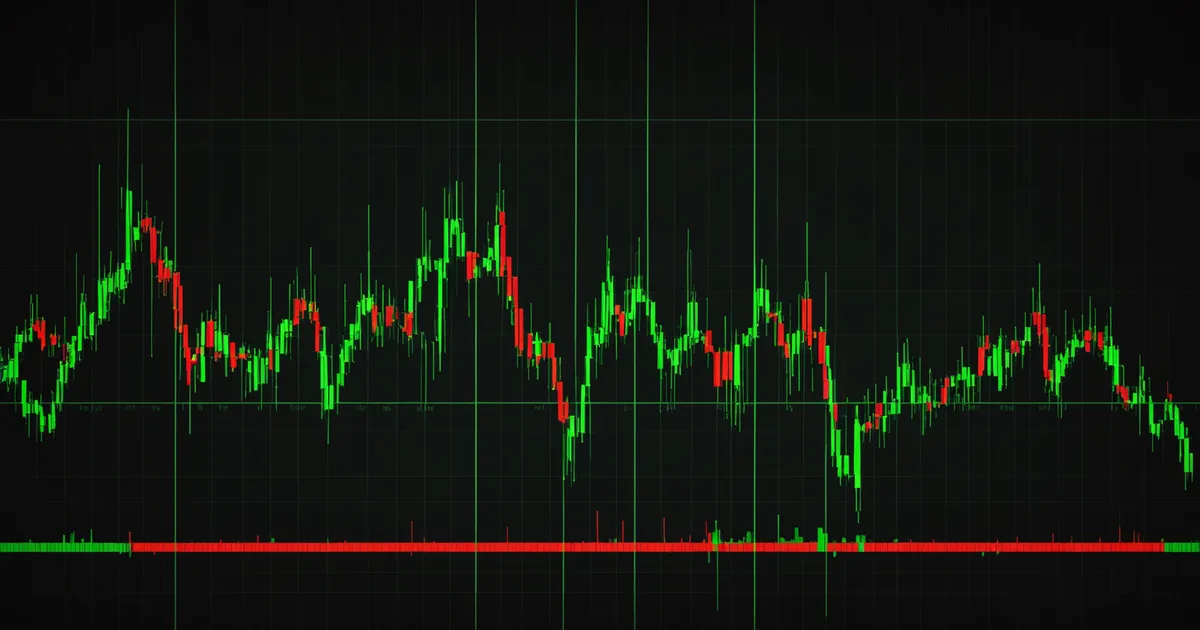
Enterprise anomaly detection tools solve a different problem than mid-market finance teams face. At $20M-$200M revenue, the issue is not data volume - it is pattern continuity.

COGS variance analysis typically requires a data analyst building a monthly comparison model in Excel. Automating this means continuous baseline tracking per cost category.
Cloud FinOps practices built the discipline around infrastructure spend optimization. The same patterns exist across every cost category on a P&L.
Accounting systems are record keepers. They store what happened. A P&L intelligence layer reads those records continuously and surfaces what is changing.

Not all margin leaks look the same. Some are one-time billing errors. Others are structural drift that compounds quarterly. Knowing the type determines how to detect and address each.

Batch financial reporting runs on accounting period cadences. Real-time monitoring reads from the same source but flags signals as they emerge, not after they are summarized.

A 4% overage in one cost category is manageable. When seven categories each run 4% over simultaneously, gross margin has moved meaningfully before any individual flag exceeded a threshold.